Darknet Markets 2026:
The dark web is part of the deep web but is built on darknets: overlay networks that sit on the internet but which can't be accessed without special tools or software like Tor. Tor is an anonymizing software tool that stands for The Onion Router — you can use the Tor network via Tor Browser.
| Darknet Market | Established | Total Listings | Link |
|---|---|---|---|
| TorZon Market | 2022 | 140+ | Onion Link |
| Nexus Market | 2024 | 600+ | Onion Link |
| Abacus Market | 2022 | 100+ | Onion Link |
| Ares | 2026 | 100+ | Onion Link |
| Cocorico | 2023 | 110+ | Onion Link |
Updated 2026-09-18
How to buy drugs safely on the darknet
Darknet markets function as specialized e-commerce platforms that prioritize user anonymity and transactional security. Access requires specific software, such as the Tor browser, which routes connection data through an encrypted network to conceal a user's location and identity. This foundational layer of privacy is a core operational principle.
The transaction process is built upon two critical trust mechanisms: cryptocurrency and escrow. Buyers transfer funds not directly to the vendor, but into a market-controlled escrow service. This holds the payment securely until the buyer confirms satisfactory receipt of the goods, at which point the funds are released to the seller. This system significantly mitigates the risk of fraud for the buyer.
Further quality control is achieved through transparent vendor rating systems. After each transaction, buyers can leave detailed feedback on product quality, shipping speed, and communication. These reviews are permanently displayed on the vendor's profile, creating a powerful reputation economy. Vendors with consistently high ratings and many completed sales gain trusted status, which directly influences their visibility and sales volume. This feedback loop creates a self-regulating environment where reputational capital is a vendor's most valuable asset, incentivizing reliable service and high-quality products.
The combination of these featuresencrypted access, cryptocurrency payments, secured escrow, and a transparent review systemestablishes a framework for anonymous commerce. It allows for the discreet acquisition of a wide range of goods while providing buyers with measurable data on vendor performance to inform their purchasing decisions.
How Crypto and Escrow Make Buying Drugs Safer
The operational security of darknet markets is fundamentally built upon the integration of cryptocurrency and escrow services. Cryptocurrencies like Bitcoin and Monero provide a necessary layer of financial privacy. Transactions are recorded on a public ledger, but the identities of the wallet owners are not inherently tied to their real-world identities, allowing for pseudonymous trade. This financial model supports a free market for goods, including recreational pharmaceuticals, by separating economic activity from traditional, monitored banking channels.
The escrow system acts as the primary trust mechanism between buyers and vendors. When a purchase is made, the buyer's cryptocurrency is held in a market-controlled escrow wallet instead of being released directly to the seller. This creates a secure conditional payment. The funds are only disbursed to the vendor after the buyer confirms satisfactory receipt of the product. This process directly protects the consumer from fraudulent vendors who might otherwise accept payment without shipping items.
This financial framework is reinforced by transparent vendor reviews and rating systems. Past transaction histories and customer feedback are permanently linked to a vendor's profile. A vendor with a long history of successful, high-rated transactions builds a valuable reputation, which is economically incentivized. The combination of escrow and reviews creates a self-regulating environment where quality and reliable service are rewarded with more business, while poor performance or scams are quickly highlighted and lead to commercial failure.
How Encrypted Networks Keep Darknet Trade Private and Secure
The foundational layer of a darknet market is its operation on encrypted, anonymizing networks, primarily Tor (The Onion Router) or I2P. These systems route user traffic through multiple layers of encryption across volunteer-run servers globally, obscuring the origin and destination of data packets. This architecture effectively separates a user's physical IP address from their market activity, creating a fundamental barrier against surveillance and traffic analysis. Access to the marketplace is achieved through a unique .onion address, accessible only with the Tor browser, which functions as a private gateway to the platform.
This network-level privacy is complemented by the market's own security protocols. All communications, including vendor-buyer messages and order details, are secured with PGP encryption. Buyers use a vendor's publicly listed PGP key to encrypt sensitive information like delivery addresses, which only the vendor can decrypt with their private key. This end-to-end encryption ensures that even if market administrators are compromised, personal data remains protected. The combination of network and communication encryption establishes a robust framework for pseudonymous trade, where participants interact through aliases without revealing real-world identities.
The privacy infrastructure directly enables the core transactional features. The escrow system, where cryptocurrency is held by the market until order completion, relies on this encrypted environment to function securely. Similarly, the vendor review and rating system is a product of this protected space, allowing for transparent feedback on product quality and shipping reliability. These features collectively reduce the need for trust between strangers, as the technology enforces fair play. The market's resilience is tied to this decentralized network design; shutting down a single node or server does not remove the marketplace, as it can quickly migrate to a new hidden address, preserving the ecosystem's continuity and the privacy of its users.
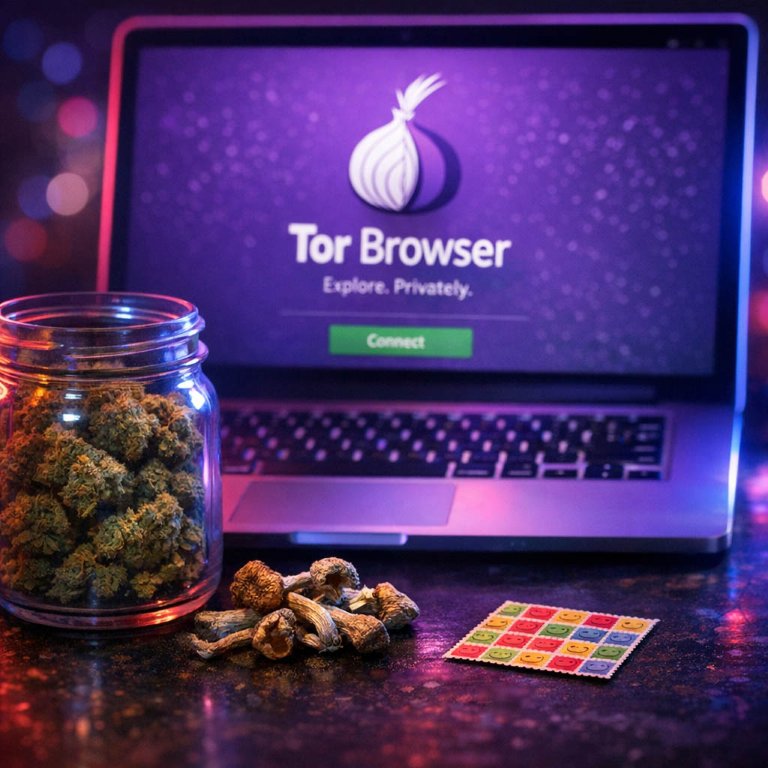
A Huge Selection of Goods on the Darknet
The product diversity on darknet markets is a direct function of their anonymous architecture. The core operational model, which separates financial transactions from physical identity through cryptocurrency and secures them via multisignature escrow, creates a low-risk environment for commerce that is not constrained by conventional legality. This allows these platforms to host a catalog far beyond typical e-commerce, serving niche and global demand simultaneously.
The inventory is systematically organized into categories, similar to mainstream online marketplaces, which enhances user experience and market efficiency. Common categories include:
- Pharmaceuticals and psychoactive substances, ranging from prescription medications to recreational drugs, with detailed listings on purity, source, and dosage.
- Digital goods, such as software licenses, compromised data, and cybersecurity tools.
- Forgeries and personalized documentation.
- Consumer electronics, often obtained outside standard distribution channels.
- Legal goods that cater to privacy-conscious buyers, including anonymization services and literature.
This breadth is sustained by the vendor feedback system. Each product listing is accompanied by a historical record of buyer reviews and ratings, which functions as a continuous quality audit. Vendors with consistently high ratings and positive reviews gain prominence, creating a self-regulating mechanism that rewards reliability and product accuracy. The escrow system holds payment until the buyer confirms satisfactory receipt, aligning the vendor's incentive with honest trade. Consequently, the market does not merely offer illegal items; it offers a structured commercial ecosystem where product variety is matched by mechanisms designed to ensure transactional safety and product integrity for the user.
How Darknet Ratings Make Buying Safer and Better
The reputation system is the cornerstone of trust and quality on darknet markets. Unlike anonymous street transactions, these platforms implement a transparent, community-driven feedback mechanism. Every completed transaction allows the buyer to leave a detailed review and a numerical rating, typically on a five-star scale, which is permanently displayed on the vendor's profile.
This creates a powerful self-regulating environment. Vendors with consistently high ratings and positive reviews gain a trusted status, attracting more business. To maintain this status, they are incentivized to provide:
- High-purity products as advertised
- Accurate and stealthy packaging
- Reliable and timely shipping
- Professional communication
The system directly addresses the inherent risks of anonymous commerce. A vendor with thousands of positive reviews and a 4.9-star rating presents a significantly lower risk than an unrated seller. Buyers can scrutinize feedback for specific mentions of product potency, shipping times, and stealth quality before committing funds to the cryptocurrency escrow. This feedback loop continuously improves overall market service, as poor-quality vendors or scammers are quickly identified through negative reviews and driven out by the community, ensuring a safer and more reliable shopping experience for all participants.

How competition on the darknet makes things better for buyers
The competitive structure of darknet markets creates a direct buyer-centric environment. Unlike traditional illicit trade, these platforms aggregate numerous vendors offering similar products, which shifts market power to the consumer. This competition manifests in several measurable areas that enhance safety, quality, and value.
Vendors compete primarily on product quality and service reliability. A seller with inconsistent purity or misrepresented products quickly receives negative feedback on their public rating profile. Since future sales depend heavily on this reputation, there is a strong economic incentive to maintain high standards. Buyers can easily compare these ratings and reviews before purchasing, which acts as a continuous quality audit.
Price competition is equally intense. For any given substance, multiple listings allow buyers to find the best value. This pressure forces vendors to offer competitive pricing without typically compromising on quality, as doing so would harm their reputation. Some vendors offer bulk discounts or loyalty incentives to retain customers.
Service competition further benefits buyers. Key differentiators include:
- Superior stealth packaging and shipping methods to ensure discreet delivery.
- Professional and responsive customer service for resolving issues.
- The use of crypto escrow systems, where funds are held by the market until the buyer confirms receipt, minimizing fraud risk.
- Offering reships or refunds if a package is lost, a policy made viable by the vendor's desire to protect their rating.
This ecosystem, driven by transparent feedback and multiple choices, effectively regulates the market. It aligns vendor success with customer satisfaction, creating a self-policing environment where reputation capital is the most valuable asset. The result is a more reliable and efficient marketplace for anonymous transactions.
How Decentralization Keeps Darknet Markets Running
The operational resilience of darknet markets is fundamentally tied to their decentralized infrastructure. Unlike traditional e-commerce platforms that rely on centralized servers, these markets operate on distributed networks, often utilizing technologies like Tor hidden services or peer-to-peer frameworks. This architecture means there is no single point of failure for law enforcement to target. If one node or server is compromised, the market can migrate or remain accessible through other pathways, ensuring continuous service for users seeking safe and private shopping.
This decentralization directly supports the core functions of crypto escrow and vendor reviews. The market's software automates the escrow process, holding a buyer's cryptocurrency in a secure, multi-signature wallet until the product is received and confirmed. This system exists independently across the network, not on a vulnerable central computer. Similarly, the decentralized ledger of vendor ratings and reviews persists even if the main interface changes. A vendor's reputation, built over hundreds of transactions, is a portable asset that moves with them, fostering a self-regulating ecosystem where quality and reliability are paramount for commercial success.
The resilience is further demonstrated by the phenomenon of "forking". When a popular market is threatened, its codebase and vendor list can often be replicated to spawn a new, operational market with minimal disruption. This creates a persistent, adaptable commercial environment where the foundational modelcryptocurrency payments, third-party escrow, and transparent feedback systemssurvives beyond the lifespan of any individual site. The infrastructure is designed for redundancy and recovery, mirroring the resilient nature of the cryptocurrencies it utilizes and ensuring that the mechanism for anonymous trade endures.

How Darknet Communities Self-Govern for Safe Trade
The operational stability and user trust within darknet markets are not solely products of technology but are significantly reinforced by community-driven governance models. These systems function as a decentralized framework for dispute resolution, rule-setting, and collective decision-making, directly involving the market's user base in its regulation.
Governance often manifests through structured feedback and arbitration systems. When a transaction encounters issues, such as a dispute over product quality or delivery, it can be escalated to market moderators. These moderators, typically experienced users or trusted vendors, review evidence from both partiesbuyer and sellerbefore issuing a binding judgment, often releasing escrow funds accordingly. This process replaces the need for external legal systems and provides a clear, enforced mechanism for justice within the ecosystem.
Furthermore, the community actively shapes market policies through forums and direct feedback channels. Discussions on security practices, acceptable product listings, and vendor standards are common. This collective input leads to the organic development of market-specific rules that prioritize safety and reliability. The most influential mechanism, however, is the reputation system. Vendor ratings and detailed buyer reviews create a transparent accountability framework where high-quality service is rewarded with more business, and poor performance is quickly marginalized. This constant peer review elevates overall market quality and aligns vendor incentives with buyer satisfaction.
These models demonstrate a resilient, self-policing structure. The infrastructure is decentralized, but the social layer adds a cohesive governance element. Success depends on the voluntary participation of users in maintaining a secure and efficient trading environment, proving that these markets are sophisticated ecosystems guided by their participants' collective actions and consensus.