Darknet Markets 2026:
The dark web is part of the deep web but is built on darknets: overlay networks that sit on the internet but which can't be accessed without special tools or software like Tor. Tor is an anonymizing software tool that stands for The Onion Router — you can use the Tor network via Tor Browser.
| Darknet Market | Established | Total Listings | Link |
|---|---|---|---|
| TorZon Market | 2022 | 140+ | Onion Link |
| Nexus Market | 2024 | 600+ | Onion Link |
| Abacus Market | 2022 | 100+ | Onion Link |
| Ares | 2026 | 100+ | Onion Link |
| Cocorico | 2023 | 110+ | Onion Link |
Updated 2026-09-18
How Darknet Markets Make Drug Trade Safe and Reliable
The operational core of a darknet marketplace is a self-contained economic platform that facilitates anonymous commerce. It functions by integrating several critical components into a single, user-accessible interface. The foundation is encrypted network routing, typically through Tor or I2P, which obscures the physical location and identity of both users and the marketplace servers.
This anonymity enables a secure environment for connecting buyers and sellers who would otherwise have no means to interact. Sellers list their products with descriptions, while buyers can browse these listings using search functions and category filters. The transaction itself is secured through cryptocurrency payments, with Bitcoin and Monero being the most common. These digital currencies provide a pseudonymous financial layer that is difficult to trace, completing the cycle of obfuscation.
To mitigate the inherent risk of fraud in an anonymous setting, marketplaces employ two primary trust mechanisms:
- Escrow services hold the buyer's cryptocurrency in a secure third-party account until the product is received and confirmed. This protects the buyer from sellers who might not ship the product.
- User review and rating systems create a transparent record of performance. Buyers leave detailed feedback and scores on the quality of the product and the seller's reliability. This public reputation system incentivizes honest conduct and high-quality products, as sellers with poor ratings lose future business.
Together, encrypted payments and user reviews form a self-regulating framework. The escrow system ensures transactional security, while the review system enforces market-driven quality control. This structure effectively reduces uncertainty, allowing a reliable and efficient anonymous drug trade to flourish based on verified user experiences rather than personal trust.
How Darknet Markets Build Trust with Crypto and Reviews
Dark web sites and marketplaces enable anonymous commerce by integrating two core systems: encrypted payments and user reviews. These systems work together to create a secure environment for trade. Encrypted payments, primarily using cryptocurrencies like Bitcoin and Monero, allow for the transfer of value without linking transactions to real-world identities. This provides financial privacy for both buyers and sellers.
The second pillar is the user review system. After a transaction, buyers leave detailed feedback on the product's quality and the seller's reliability. This creates a transparent reputation framework. Sellers with consistently high ratings and positive reviews become trusted figures within the marketplace. This peer-based accountability incentivizes honest business practices and high-quality products, as a poor reputation directly impacts future sales.
These elements combine to form a functional ecosystem. The cryptographic security of payments ensures transactional anonymity, while the user-generated review system enforces market standards. This model facilitates a self-regulating economic space where trust is built through verified pseudonymous interactions rather than traditional legal contracts.
Safe and Private Trading in the Darknet
Darknet marketplaces establish secure connections through a combination of cryptographic protocols and reputation-based systems. Buyers and sellers interact using pseudonymous identities, which are protected by the underlying encryption of networks like Tor. This setup allows for direct, anonymous communication without revealing physical locations or real-world identities.
The connection process is secured further by the mandatory use of encrypted payment systems, primarily cryptocurrencies such as Bitcoin or Monero. These currencies provide a layer of financial privacy, making transactions difficult to trace. Payments are typically held in a multisignature escrow system controlled by the marketplace software. This means funds are only released to the seller once the buyer confirms satisfactory receipt of the product, which directly protects both parties from fraud.
Trust and quality are continuously assessed through user review systems. After each transaction, buyers leave detailed feedback on product quality, shipping speed, and stealth. These reviews are permanently linked to a seller's profile, creating a transparent and self-regulating economic model. A seller with consistently high ratings and a long transaction history becomes a trusted entity within the ecosystem. This mechanism effectively replaces the need for traditional identifiers, as a digital reputation becomes the primary currency for reliability.
The entire process from listing to finalization is automated by the marketplace platform, minimizing human error and intervention. This creates a resilient environment for anonymous commerce where secure connections are not based on personal trust, but on verifiable cryptographic security and crowd-sourced accountability.

How Escrow Makes Buying on the Darknet Safe and Easy
The escrow system is a fundamental mechanism that enables secure transactions on darknet marketplaces. It functions as a neutral third-party service, holding a buyer's cryptocurrency payment until the ordered goods are received and confirmed. This process directly addresses the inherent trust deficit in anonymous environments, where neither party can rely on legal contracts or known identities.
When a purchase is made, funds are locked in the marketplace's escrow. The seller is then notified to ship the product. Only after the buyer confirms satisfactory delivery does the escrow release the payment to the seller. This creates a balanced incentive structure: sellers are motivated to ship quality products promptly, while buyers are protected from outright scams. The system's effectiveness is amplified by its integration with user rating systems. A seller with consistently positive feedback builds a reputation that encourages buyers to finalize orders early, sometimes using a finalize early option to gain a discount, which further streamlines commerce.
The technical execution relies on multisignature cryptocurrency wallets. In a common setup, transactions require two out of three cryptographic signatures to release fundsone from the buyer, one from the seller, and one from the marketplace escrow. This design minimizes the risk of a single point of failure or fraud. While the marketplace administers the service, the cryptographic model ensures that no single party can unilaterally seize the funds without cause. This combination of social reputation tools and cryptographic security fosters a self-regulating economic model where secure, anonymous trade can flourish based on demonstrated reliability rather than personal identity.
How Ratings Make Darnet Drug Trade Reliable
The operational stability of darknet marketplaces relies on a self-regulating economic model, where user rating systems function as the primary mechanism for establishing trust and ensuring product quality. These systems directly replace the need for formal legal recourse, creating a transparent environment for anonymous commerce. Every transaction concludes with the buyer leaving detailed feedback on the seller's profile, covering product accuracy, shipping speed, and communication. This cumulative reputation score becomes a seller's most valuable asset, directly influencing their visibility and sales volume.
A high rating, built over hundreds of successful transactions, signals reliability to potential buyers. This incentivizes sellers to maintain consistent quality and honest advertising, as negative reviews are publicly visible and economically damaging. The system effectively crowdsources quality control; buyers collectively identify and marginalize dishonest vendors through poor ratings, while rewarding reliable ones with more business. This creates a virtuous cycle where trust is built incrementally through verifiable, community-driven data.
The integration of these reviews with encrypted payment and escrow services completes a secure framework. Funds are held in escrow until the buyer confirms receipt and satisfaction, at which point the review is posted and payment is released. This process ensures that feedback is tied to completed transactions, preventing manipulation. Consequently, the marketplace evolves into an ecosystem of reliable anonymous trade, where pseudonymous identities gain economic weight based on proven performance, enabling efficient and secure transactions without traditional intermediaries.
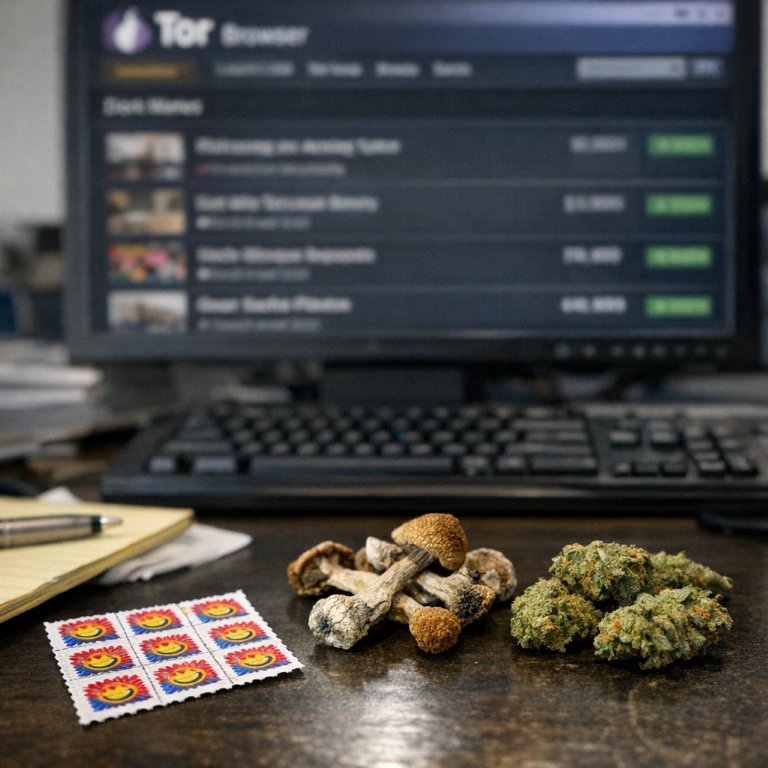
How the Darknet's Economy Runs Itself
The operational stability of darknet marketplaces is underpinned by a self-regulating economic model. This system functions without central oversight, relying instead on cryptographic tools and community-driven feedback mechanisms to facilitate secure anonymous commerce. The model integrates several core components that reinforce each other.
Encrypted payment systems, primarily using cryptocurrencies like Bitcoin and Monero, form the financial backbone. These currencies provide pseudonymity and irreversible transactions, removing traditional financial intermediaries and enabling direct peer-to-peer value transfer. This encryption ensures that financial interactions remain confidential and secure from external interception.
Trust and quality control are managed organically through structured user rating and review systems. Every transaction can be publicly evaluated, creating a persistent reputation for both sellers and buyers. This transparency incentivizes honest behavior; a vendor with consistently high ratings attracts more business, while one with poor feedback is economically marginalized. The system effectively crowdsources market regulation.
The integration of multisignature escrow services further secures transactions. Funds are held in a cryptographically locked wallet until the buyer confirms receipt of goods, preventing scams without requiring a trusted third party. This technical solution directly addresses the inherent trust deficit in anonymous environments.
Together, these elements create a resilient framework:
- Cryptocurrencies enable private and final payments.
- Review systems build and verify reputations.
- Escrow services technically enforce fair exchange.
How Trusted Aliases Make the Darknet Work
Pseudonymous identities are the fundamental social and economic unit of darknet marketplaces, enabling anonymous commerce to function at scale. Unlike traditional anonymous accounts, these identities are built and maintained through sustained, verifiable transaction histories. A user's vendor handle or buyer alias becomes a persistent digital reputation, directly tied to their commercial behavior.
The system operates on a feedback loop where identity is validated by community interaction. Every completed transaction contributes to a user's public rating and review history. This creates a persistent record of reliability that other users can reference. For sellers, a strong pseudonymous identity built over time translates into higher trust, greater visibility, and increased sales volume. For buyers, maintaining a good identity ensures access to better vendors and smoother transactions.
This reputation-based identity model effectively replaces the need for real-world verification. Trust is established through:
- Consistent product quality tied to the seller's alias.
- Accurate shipping and communication recorded in reviews.
- The cumulative score displayed on the user's profile page.
The combination of cryptographic security and persistent pseudonymity allows for a self-regulating ecosystem. Users are incentivized to act honestly to protect the value of their established identity. This transforms a simple alias into a capital asset, making the marketplace more secure and predictable for all participants engaged in trade.

How Encryption Makes Darknet Trade Safe and Reliable
Darknet marketplaces function by applying cryptographic principles to every transaction, creating a secure environment for anonymous commerce. The foundation is end-to-end encryption, which scrambles all communication between buyers and sellers. This means that messages, order details, and shipping addresses are only readable by the intended recipient, preventing interception.
Financial transactions rely on cryptocurrencies like Bitcoin or Monero. These digital currencies use public-key cryptography, allowing users to send and receive funds through pseudonymous wallet addresses without linking to a real-world identity. This cryptographic layer replaces traditional banking, providing financial privacy.
Security is further reinforced by the marketplace's infrastructure itself, often hosted as a hidden service on networks like Tor. This setup encrypts the user's connection and hides the website's location, protecting both parties from surveillance. The combination of these technologies ensures that participation in the marketplace is secured by mathematics rather than trust in a central institution.
This cryptographic security enables the core mechanisms of the darknet economy. With identities and communications protected, the user review system becomes a reliable source of quality control. Buyers can verify a seller's reputation through detailed feedback before committing funds to a multisignature escrow system. In such a system, cryptocurrency is held in a secure, automated contract until the buyer confirms satisfactory receipt of the product, drastically reducing fraud. The entire cyclefrom finding a vendor to finalizing a dealis protected by layers of encryption, making anonymous trade not just possible but operationally robust and self-regulating.
How Darknet Markets Build Trust for Safer Trade
The operational stability of darknet marketplaces is built on integrated systems that replicate and often improve upon the trust mechanisms of conventional e-commerce. At the core is the encrypted payment system, which typically utilizes cryptocurrencies like Bitcoin or Monero. These currencies provide a layer of financial pseudonymity, allowing value transfer without linking to real-world identities. Transactions are secured through cryptographic protocols, ensuring that funds move directly between the digital wallets of the buyer and the marketplace's escrow service.
This financial layer is supported by a transparent user review and rating system. After a transaction, buyers leave detailed feedback on product quality, shipping speed, and stealth packaging. This creates a permanent, publicly visible record for each vendor. High-rated sellers accumulate digital reputational capital, which translates into more sales and higher visibility on the platform. Conversely, sellers with poor reviews or scam allegations are quickly marginalized by the community. This system enforces a form of quality control and ethical vending through collective accountability.
The combination of these elements fosters a self-regulating economic environment. Escrow services hold funds until the buyer confirms receipt, protecting against fraud. The immutable feedback history allows new users to make informed decisions based on peer experiences. Together, encrypted payments and reputation metrics create a secure and efficient framework for anonymous commerce. This framework reduces uncertainty and builds a predictable trading environment where reliable anonymous trade can flourish based on demonstrated trustworthiness rather than personal identity.