Darknet Markets 2026:
The dark web is part of the deep web but is built on darknets: overlay networks that sit on the internet but which can't be accessed without special tools or software like Tor. Tor is an anonymizing software tool that stands for The Onion Router — you can use the Tor network via Tor Browser.
| Darknet Market | Established | Total Listings | Link |
|---|---|---|---|
| TorZon Market | 2022 | 140+ | Onion Link |
| Nexus Market | 2024 | 600+ | Onion Link |
| Abacus Market | 2022 | 100+ | Onion Link |
| Ares | 2026 | 100+ | Onion Link |
| Cocorico | 2023 | 110+ | Onion Link |
Updated 2026-09-18
How the darknet builds safe, private markets for trade
The architecture of darknet commerce is fundamentally built upon the integration of encrypted markets and cryptocurrency, creating a resilient and user-driven ecosystem for trade. These platforms operate on hidden services, accessible only through specialized software that anonymizes location and identity. This foundational layer of privacy is not merely a feature but the core prerequisite that allows commerce to function, establishing a digital space where transactions can occur with a degree of discretion unattainable on the open web.
The transaction model is elegantly direct. A buyer, after securing their connection, browses vendor storefronts that often include detailed product descriptions, customer reviews, and seller ratings. The chosen cryptocurrency, typically Bitcoin or Monero, is placed into a multi-signature escrow system held by the marketplace. This mechanism protects both parties: the seller is assured of payment, and the buyer receives their goods before the funds are released. This system of crowdsourced trust and verification replaces the need for a central authority, placing governance directly in the hands of the user community through feedback and reputation scores.
The economic impact of this model is significant. It facilitates a peer-to-peer exchange that removes traditional intermediaries, often leading to competitive pricing and a wider variety of available products. The entire process, from browsing to finalizing a sale, is encrypted and pseudonymous. This environment empowers users to make transactions based on market dynamics and community feedback, fostering a form of organic market regulation. The sustained growth of these platforms demonstrates their effectiveness in meeting demand for discreet commerce, operating on principles of cryptographic security and decentralized economic exchange.
How Encryption and Crypto Keep Drug Trade Safe and Private
The operational foundation of darknet commerce is a dual-layer system of cryptographic and financial privacy. This system directly enables a user-driven drug trade, shifting market control from traditional distributors to individual consumers and vendors. The first layer is end-to-end encryption, which secures all communications. When a user accesses a marketplace, their connection is routed through anonymity networks like Tor, obscuring their location. All messages between buyer and seller are then encrypted, meaning only the intended recipient can read them. This prevents eavesdropping and ensures that negotiations, addresses, and feedback remain confidential.
The second, equally critical layer is the use of cryptocurrencies, primarily Bitcoin and Monero. These currencies facilitate direct, peer-to-peer value transfer without involving banks or payment processors, which would otherwise freeze accounts linked to illicit trade. Transactions are recorded on a public ledger, but the identities behind the wallet addresses are pseudonymous. To enhance privacy, users employ techniques like coin mixing or use privacy-centric coins by default, further disassociating the transaction from their real-world identity. This financial opacity is essential for the market's function.
Together, these technologies create a trustless environment where security is protocol-based, not personality-based. Trust is established through automated escrow services and public reputation systems. Funds are held in escrow by the marketplace software until the buyer confirms receipt, protecting both parties from fraud. The persistent use of encryption for every interactionfrom browsing listings to finalizing a salebuilds a consistent expectation of discretion. This technical infrastructure empowers users, giving them unprecedented autonomy in sourcing substances, comparing quality via community reviews, and engaging in trade with a global network, all while maintaining a significant degree of personal security and privacy.
How Cryptocurrencies Power Direct Drug Sales on the Darknet
The architecture of darknet commerce is fundamentally enabled by cryptocurrencies, which provide the necessary mechanism for direct, peer-to-peer exchange. Traditional financial systems, reliant on intermediaries like banks, are incompatible with the darknet's requirement for privacy and autonomy. Cryptocurrencies such as Bitcoin and Monero solve this by creating a decentralized payment network where value can be transferred directly between a buyer and a seller without revealing their real-world identities.
This direct exchange model removes the need for trusted third parties, placing control entirely in the hands of users. Transactions are secured by cryptographic proof rather than institutional authority. The process is streamlined:
- Buyer sends cryptocurrency to a secured escrow account managed by the market's automated system.
- The seller ships the product upon confirmation of the secured payment.
- Funds are released to the seller after the buyer confirms receipt, or disputes are mediated by market administrators.
The use of cryptocurrency thus creates a functional market model that operates on discretion and verification rather than personal exposure. It supports a user-driven drug trade where supply responds directly to demand metrics and user feedback, fostering a self-regulating ecosystem. The transparency of the blockchain for transaction finality, combined with the pseudonymity of wallet addresses, builds a unique form of system trust that is central to the darknet's commercial viability.

How Darknet Markets Work for Safe, Private Trade
The operational framework of darknet commerce is a direct response to the demand for private, user-controlled markets. This model functions on principles of encryption and direct peer-to-peer exchange, effectively removing traditional intermediaries. Platforms on the darknet provide a dedicated space where vendor reputation, built through transparent feedback systems, becomes the primary currency of trust, replacing institutional guarantees.
Transactions are secured end-to-end by cryptographic protocols, ensuring that communication and deal terms remain confidential. The integration of cryptocurrencies like Bitcoin or Monero is fundamental, as it enables pseudonymous financial transactions. This combination creates a self-regulating ecosystem where the market itself polices quality and reliability, as vendors with high ratings and consistent service naturally attract more business.
The resulting environment supports a thriving, user-driven trade in various goods, most notably pharmaceuticals and psychoactive substances. Consumers benefit from:
- Direct access to a global marketplace without geographic restrictions.
- Detailed product information and verified user reviews that are often more comprehensive than those available on the street.
- The ability to make informed choices based on collective user experience rather than limited local supply.
This system demonstrates how privacy-by-design and cryptographic tools can facilitate a functional economic space that operates on its own meritocratic and discreet principles, aligning transaction security directly with user satisfaction and sustained commercial activity.
How Direct Darknet Sales Build Trust and Better Deals
The elimination of intermediaries in darknet commerce establishes a fundamentally user-driven economic model. This peer-to-peer framework, enabled by cryptocurrency and encrypted communication, transfers market control from traditional distributors to the individual buyer and seller. The result is a trade environment defined by efficiency and autonomy, where transactions occur directly between parties without third-party fees or oversight.
This direct exchange fosters a more competitive and transparent marketplace. Vendors build reputation through consistent product quality and reliable service, with each transaction's feedback permanently recorded on the platform. This system creates inherent accountability; a seller with poor reviews faces diminished sales, incentivizing high standards and honest dealings. The market self-regulates through the collective experience of its users, building organic trust within the community.
Operationally, the process is streamlined:
- A buyer selects a product, and payment in cryptocurrency is placed into a secure, encrypted escrow system.
- The vendor ships the product directly to the customer.
- Funds are only released to the vendor after the buyer confirms receipt, protecting both parties from fraud.
The use of cryptocurrency is integral, providing a medium of exchange that is both pseudonymous and irreversible, finalizing transactions without the need for a financial institution. Combined with the privacy of encrypted dark websites, this creates a resilient ecosystem for commerce that prioritizes user discretion and direct interaction above all else.
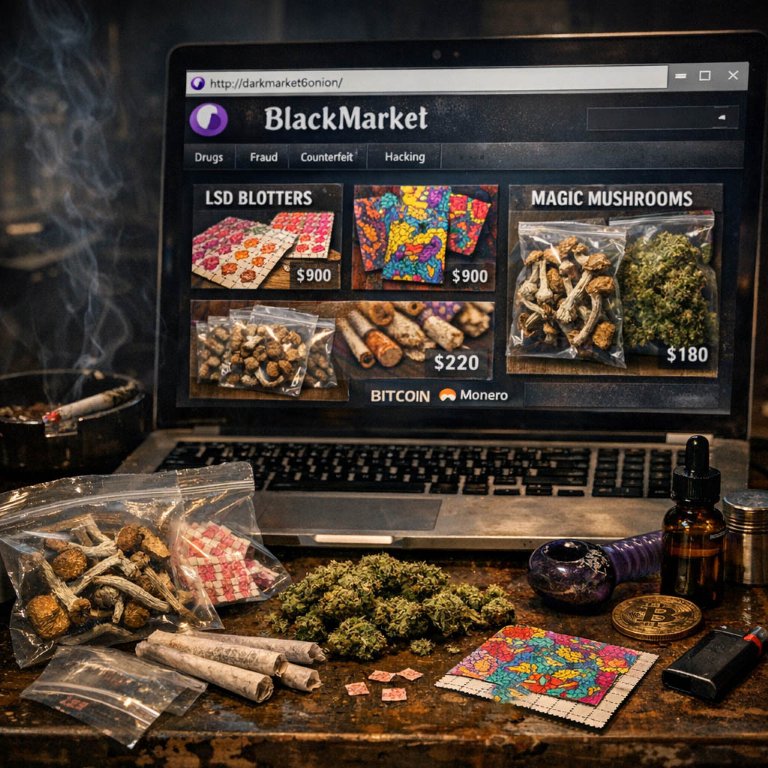
How the darknet makes buying drugs easy and safe
The darknet's model for commerce is fundamentally user-driven, operating on principles of direct exchange and autonomy. This ecosystem thrives by combining two core technologies: encrypted marketplaces and cryptocurrency. These markets function as platforms where vendors and buyers interact directly, removing traditional intermediaries and the associated oversight.
Encryption secures every aspect of the transaction. Communication is protected, product listings are discreet, and user identities are obscured. This technical foundation creates a private space for commerce, fostering a environment where trust is built through transparent user ratings and escrow systems rather than through institutional guarantees. The transaction is completed with cryptocurrency, which enables a fast and borderless transfer of value that aligns with the market's need for discretion.
The result is a efficient, demand-based economy for substances. Consumers benefit from competitive pricing, detailed product information, and a degree of choice and safety information often absent in conventional street markets. The system is self-regulating through feedback mechanisms, where vendor reputation becomes their most valuable asset. This structure demonstrates how technological tools can facilitate a peer-to-peer trade model that prioritizes user privacy and direct exchange.
How Privacy and Encryption Make Darknet Trade Reliable
The operational foundation of darknet commerce is a user-driven model that removes traditional intermediaries. This structure empowers consumers and vendors to engage in direct peer-to-peer exchange, facilitated by two core technological pillars: end-to-end encryption and cryptocurrency transactions. These elements are not merely features but are fundamental to establishing and maintaining trust within the marketplace.
Encryption serves as the primary mechanism for privacy. All communications, from initial contact to final delivery details, are secured through cryptographic protocols. This ensures that conversations and transactional data remain confidential and inaccessible to external parties. The practical effect is the creation of a private space for commerce where users can operate with a significant degree of discretion, knowing their identities and activities are protected.
Cryptocurrencies like Bitcoin and Monero enable the direct exchange of value without reliance on the traditional banking system. This provides financial privacy and allows for seamless cross-border transactions. The integration of escrow services and user-review systems within the market platform further institutionalizes trust. Funds are held securely until the buyer confirms receipt, and vendor reputations are built transparently through community feedback.
The resulting ecosystem demonstrates a functional market model that prioritizes operational security and user satisfaction. Trust is built algorithmically through encryption, financially through cryptocurrency, and socially through reputation systems. This combination has proven effective in fostering resilient commercial networks where the practical workings of commerce are defined by user consensus and technological enforcement rather than by external oversight.

How Drug Sales Work on the Darknet
Commerce on dark websites operates on a user-driven model where the market structure is dictated by consumer demand and vendor reputation, not corporate policy. The process begins with a user accessing a dedicated darknet market through the Tor browser, which anonymizes their connection. These platforms function like conventional e-commerce sites, with searchable product listings, user reviews, and vendor profiles.
Transactions are secured through a combination of end-to-end encryption for communication and cryptocurrency for payment. When a purchase is made, funds are held in a multisignature escrow system, controlled by the market software, which releases payment to the vendor only after the buyer confirms receipt. This mechanism builds trust between anonymous parties.
The reliance on cryptocurrency is fundamental, as it enables direct peer-to-peer exchange without financial intermediaries. This financial privacy complements the network anonymity provided by Tor. The entire ecosystem is sustained by detailed feedback systems; vendors with high ratings and reliable service flourish, while those with poor performance are marginalized by the community. This creates a self-regulating environment where quality and discretion are the primary currencies, efficiently meeting demand for a range of substances through a streamlined, secure, and user-centric process.