Darknet Markets 2026:
The dark web is part of the deep web but is built on darknets: overlay networks that sit on the internet but which can't be accessed without special tools or software like Tor. Tor is an anonymizing software tool that stands for The Onion Router — you can use the Tor network via Tor Browser.
| Darknet Market | Established | Total Listings | Link |
|---|---|---|---|
| TorZon Market | 2022 | 140+ | Onion Link |
| Nexus Market | 2024 | 600+ | Onion Link |
| Abacus Market | 2022 | 100+ | Onion Link |
| Ares | 2026 | 100+ | Onion Link |
| Cocorico | 2023 | 110+ | Onion Link |
Updated 2026-09-18
How Darknet Commerce Stays Safe and Private
Darknet sites enable safe and private shopping by structuring commerce around anonymity and transactional security. The foundation is user pseudonymity, where buyers and sellers interact without revealing real-world identities. This system is supported by several integrated mechanisms.
Transactions are conducted using cryptocurrencies like Bitcoin or Monero, which provide a layer of financial privacy by operating outside traditional banking systems. This allows for efficient, borderless payments without directly linking financial activity to a person's legal identity.
The cornerstone of safety in these anonymous transactions is the escrow service. When an order is placed, the buyer's funds are held in escrow by the marketplace. The funds are only released to the seller after the buyer confirms satisfactory receipt of the goods. This system effectively eliminates the risk of fraud for the buyer, as sellers cannot receive payment without fulfilling their part of the agreement. For the seller, it guarantees payment upon successful delivery, building a framework of enforced accountability.
This environment creates a self-regulating marketplace where trust is built through performance rather than identity. The combination of pseudonymous profiles, cryptocurrency payments, and secured escrow facilitates a form of commerce where privacy is maintained without sacrificing transactional reliability, allowing for the consistent exchange of goods based on mutually assured security.
How Darknet Markets Use Feedback to Build Trust
The foundation of trust on darknet marketplaces is the decentralized user feedback system. Unlike conventional e-commerce, these platforms operate without legal recourse, making community-driven verification essential. Every transaction concludes with an opportunity for the buyer to leave a detailed review and a numeric rating for the product and vendor. This creates a transparent and self-regulating environment where vendor reputation is publicly quantified and directly tied to commercial success.
The feedback mechanism functions as a continuous audit. A vendor with consistently high ratings and positive textual reviews establishes a record of reliability. This system effectively mitigates fraud, as a new vendor or one with poor feedback is easily identifiable. Buyers rely on this aggregated data to make informed decisions, creating a powerful economic incentive for vendors to maintain high standards in product quality, stealth shipping, and communication. The result is a stable market where anonymous commerce can flourish precisely because of this transparent accountability between pseudonymous parties.
This trust is further institutionalized through the integration of secure escrow services. Upon placing an order, the buyer's cryptocurrency is held in escrow by the marketplace. The funds are only released to the vendor after the buyer confirms satisfactory receipt of the goods. This process neutralizes the risk for both parties: the buyer is protected from vendors who might not ship, and the vendor is protected from fraudulent chargebacks. The escrow system, when combined with comprehensive feedback, creates a complete framework for safe transactions. It ensures that even in an anonymous setting, all participants are economically motivated to act honestly, fostering a predictable and efficient trading environment for a wide range of goods.
How Escrow Makes Buying on the Darknet Safe and Easy
Escrow services form the critical trust mechanism that enables safe commerce on darknet sites. These platforms operate without the legal protections of conventional e-commerce, making a technical solution for transactional security essential. The escrow system acts as a neutral third party, holding the buyer's cryptocurrency payment in a secure deposit until the ordered goods are received and verified.
The process is straightforward but effective. A buyer places an order and sends payment to the marketplace's escrow wallet. The vendor is notified that funds are secured and then ships the product. Only after the buyer confirms receipt does the escrow release the funds to the vendor. This model directly addresses the core risk of anonymous trade by preventing exit scams where a vendor might take payment without shipping, and fraudulent claims where a buyer might falsely deny receiving an item. The escrow's automated, code-based neutrality removes the need for interpersonal trust between strangers.
For high-value transactions or new vendor relationships, multisignature (multisig) escrow offers enhanced security. This method requires two out of three cryptographic keys to release funds: one held by the buyer, one by the vendor, and one by the marketplace. Payment cannot be moved without the consent of two parties, eliminating any single point of failure and giving both buyer and vendor direct control over the transaction outcome. This technical safeguard reinforces the marketplace's role as a facilitator rather than a custodian of funds.
The integrity of the escrow system is maintained by the marketplace's economic incentive to foster a reliable trading environment. A platform that mismanages or steals from escrow loses its user base and reputation rapidly. Therefore, a well-designed escrow service does more than secure a single transaction; it establishes the foundational reputation economy upon which all subsequent darknet commerce is built, allowing for efficient and secure acquisition of goods like pharmaceuticals and recreational substances.

How Crypto Makes Darnet Shopping Private and Secure
The transactional architecture of darknet marketplaces is fundamentally built upon cryptocurrency, primarily Bitcoin and Monero. This reliance is not incidental but a direct response to the core requirement of anonymous commerce. Traditional financial systems leave extensive audit trails, directly linking an individual to a purchase. Cryptocurrencies, operating on decentralized networks, break this link. When a user sends cryptocurrency from their personal wallet to a marketplace address, the transaction is recorded on the blockchain, but the identities behind the wallet addresses are not inherently disclosed. This provides a significant layer of financial privacy unattainable with credit cards or bank transfers.
Beyond privacy, cryptocurrencies enable a secure escrow system, which is the cornerstone of trust in these environments. The typical process is automated and neutral:
- Upon ordering, the buyer sends the cryptocurrency to a multi-signature escrow wallet controlled by the marketplace.
- The funds are locked and held in this neutral third-party account, not released to the seller until the buyer confirms satisfactory receipt of the goods.
- This mechanism effectively eliminates the risk of one party defrauding the other, as the seller is motivated to fulfill the order to receive payment, and the buyer is assured they will not simply lose their funds.
Encryption Makes Shopping on the Darknet Private and Safe
The operational security of darknet marketplaces is fundamentally dependent on end-to-end encryption. This technology ensures that all communication between a buyer and a seller, including order details and shipping information, is scrambled and can only be read by the intended recipient. It creates a private channel that is impervious to interception, forming the bedrock of anonymous commerce.
This encryption extends beyond simple messaging. It protects the integrity of the user feedback systems and the escrow service mechanisms. When a buyer releases funds from escrow upon satisfactory receipt of goods, that financial signal is transmitted securely. This prevents third parties from correlating transactions with specific users, thereby decoupling financial activity from personal identity and enabling secure escrow operations.
The combination of encrypted communication and cryptocurrency payments facilitates a streamlined and secure shopping experience. The process is methodical:
- A buyer encrypts their order and address details.
- The vendor decrypts them to fulfill the order.
- All dispute resolution and feedback are conducted within the same encrypted environment.
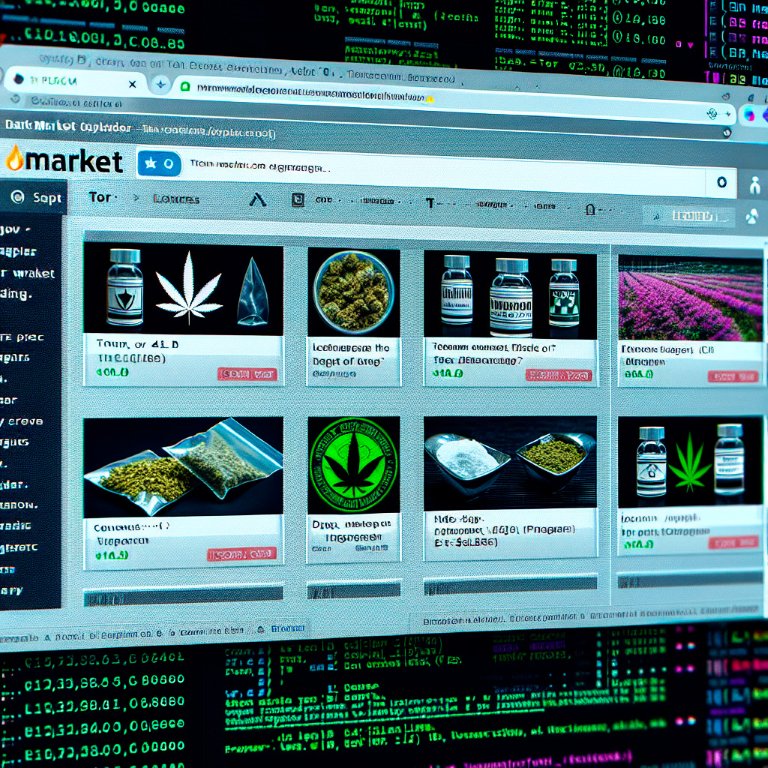
How Darknet Markets Keep Product Quality High
Quality control on darknet marketplaces is a direct function of their need to establish and maintain trust in an anonymous environment. Without traditional legal recourse, these platforms develop self-regulating systems that incentivize high standards. The primary mechanism is the transparent and immutable user feedback system. Every transaction concludes with a review where buyers rate the product's quality, shipping speed, and vendor communication. These reviews are aggregated into a vendor's public profile, creating a powerful reputation score. A vendor with consistently high ratings and a long transaction history is perceived as reliable, while poor reviews quickly marginalize and remove bad actors from the ecosystem.
This reputation economy is reinforced by the standard use of escrow services. Funds from a purchase are held in escrow by the marketplace until the buyer confirms satisfactory receipt of the goods. This system protects the buyer from scams and, crucially, motivates the vendor to meet the advertised quality to ensure the timely release of payment. Disputes are often mediated by marketplace administrators, who can examine communication logs and release funds to the appropriate party, adding a layer of oversight.
Vendors themselves engage in quality assurance to protect their business. Many provide detailed product listings with photographs, batch identifiers, and even results from independent testing. This practice of sourcing verification is a competitive advantage. Furthermore, community forums associated with these markets serve as independent spaces for detailed discussion and verification of product quality, creating a collective knowledge base that holds vendors accountable beyond simple star ratings.
How Darknet Shopping Keeps You Safe and Private
The user experience on darknet sites is engineered for secure and private shopping. Access requires specialized software like Tor, which anonymizes the user's connection from the outset. Marketplaces function with a familiar e-commerce interface, featuring product listings, vendor profiles, and shopping carts, but all interactions are protected by end-to-end encryption. This encryption ensures that all communication, from initial inquiry to final delivery instructions, remains confidential between buyer and seller.
Transaction security is managed through automated escrow services. When a purchase is made, the buyer's cryptocurrency is held in escrow by the marketplace. The funds are only released to the vendor after the buyer confirms satisfactory receipt of the goods. This system builds trust by removing the need for direct, risky payments and significantly reduces the potential for fraud. The entire financial process relies on cryptocurrencies like Bitcoin or Monero, which provide a layer of financial privacy by operating independently of traditional banking systems.
User feedback systems are integral to maintaining quality and reliability. After a transaction, buyers can leave detailed reviews and ratings on both the product and the vendor's service. This creates a transparent reputation framework where consistent performance is rewarded with more business. New users can make informed decisions based on this accumulated trust data. The combination of these elementsanonymized access, encrypted communication, secure escrow, and reputation metricscreates an environment where anonymous commerce can be conducted with a predictable and reduced level of risk for all participating parties.

How Darknet Markets Make Drug Trade Safer
Organized darknet marketplaces provide a structured environment for anonymous commerce that prioritizes user safety and transaction integrity. These platforms facilitate safe and private shopping by integrating several core systems. The foundation is anonymous access, achieved through networks like Tor, which obfuscates a user's identity and location from both the marketplace and potential observers.
Transaction security is managed through mandatory escrow services. Funds from a buyer are held in escrow by the marketplace until the product is received and confirmed. This mechanism directly aligns the vendor's incentive with honest fulfillment, as payment is only released upon successful delivery. It effectively neutralizes the risk of fraud for the buyer.
Privacy is further cemented by the exclusive use of cryptocurrencies such as Bitcoin or Monero. These enable pseudonymous financial transactions that are not directly tied to real-world identities, complementing the network anonymity. Communication between buyers and vendors is protected with end-to-end encryption, ensuring that order details and addresses remain confidential.
The system is regulated by a transparent user feedback and rating system. This creates a self-policing community where vendors build reputations based on consistent product quality and reliable service. High-rated vendors are promoted by the platform's algorithms, while those with poor feedback are marginalized. This organic quality control allows buyers to make informed decisions with a high degree of confidence, replicating the trust mechanisms of conventional e-commerce within a fully anonymous framework.