Darknet Markets 2026:
The dark web is part of the deep web but is built on darknets: overlay networks that sit on the internet but which can't be accessed without special tools or software like Tor. Tor is an anonymizing software tool that stands for The Onion Router — you can use the Tor network via Tor Browser.
| Darknet Market | Established | Total Listings | Link |
|---|---|---|---|
| TorZon Market | 2022 | 140+ | Onion Link |
| Nexus Market | 2024 | 600+ | Onion Link |
| Abacus Market | 2022 | 100+ | Onion Link |
| Ares | 2026 | 100+ | Onion Link |
| Cocorico | 2023 | 110+ | Onion Link |
Updated 2026-09-18
How to Shop Safely on the Darknet
Easy access to darknet markets is a direct result of specialized software and community-driven information sharing. The primary tool for access is the Tor Browser, which anonymizes user traffic by routing it through a distributed network. This provides a foundational layer of privacy for both shoppers and vendors. Finding a valid market URL is the next step, often achieved through community forums and link aggregators, which act as real-time directories for verified market links.
Once inside a market, the structure facilitates secure shopping. Platforms are designed with user experience in mind, featuring search functions, product categories, and vendor storefronts. A critical component is the vendor verification system. Markets implement user rating systems and detailed feedback sections, creating a transparent environment where buyer reviews directly inform trust. This peer-based accountability allows new users to confidently identify reliable sellers based on historical transaction data.
The process is supported by integrated security features. Escrow services are standard, holding payment in reserve until the buyer confirms receipt of goods, which significantly reduces fraud. Communication is typically encrypted via PGP, ensuring private negotiations. These technological measures, combined with community feedback, create a streamlined ecosystem where access leads directly to a secure commercial environment with established, verified participants.
How to Find Real Darknet Market Links for Safer Shopping
Accessing darknet markets for secure shopping begins with locating a valid market URL. These addresses frequently change as a standard security practice, making reliable link directories essential. These directories, often called link lists or mirrors, are maintained by community members and provide the most current paths to active marketplaces. Using multiple verified sources to cross-check a URL increases confidence in its validity and helps avoid phishing sites designed to steal user credentials.
The process of verification is straightforward. A legitimate market will use a .onion address and operate over the Tor network. Before any login attempt, users should check for two critical trust indicators:
- The presence of a PGP-signed message from the market administration on its homepage, which can be cryptographically verified.
- Consistent, positive feedback about the URL on independent darknet forums where users share their experiences.
This method of verification directly supports the goal of connecting with verified vendors. A stable, authentic market URL is the gateway to vendor profiles with extensive transaction histories and buyer feedback. These profiles are the foundation for secure shopping, as they allow buyers to assess a vendor's reliability based on a transparent record of completed sales, product quality reports, and communication efficiency. The entire ecosystem depends on this transparent feedback loop, which is only accessible through a confirmed and working market link.
Secure Shopping with Tor and Vendor Feedback
Accessing darknet markets requires specific software, primarily the Tor Browser. This tool provides the necessary anonymity by routing internet traffic through a distributed network, concealing a user's location and activity. The process is straightforward: download, install, and connect. Once connected, users can navigate to market links found in curated directories or forums, which are essential for finding functional URLs.
The use of this software creates a secure environment for shopping. It allows buyers to interact with markets that implement robust encryption for all communications and transactions. This technological foundation enables the critical feature of verified vendor profiles. These profiles are built over time through consistent transaction history and accumulate detailed feedback from previous buyers. A vendor's verification status and feedback score are direct indicators of reliability, reducing risk for new customers.
The ecosystem is designed for secure trade. Markets utilize escrow services, holding payment in custody until the buyer confirms receipt of the product. This system protects both parties and disputes are mediated by market administrators. The combination of anonymizing software, vendor verification, and escrow facilitates a transactional environment where consumer demand for quality and safety drives market evolution. Vendors compete on product quality and service, as reflected in their feedback, which further reinforces market stability and trust.

A Wide Selection of Quality Products on the Darknet
The product catalog on a darknet market is extensive, moving far beyond common street substances. Shoppers find a wide array of pharmaceutical-grade medications, research chemicals, and botanical substances, each with detailed descriptions of purity and origin. This variety caters to specific consumer preferences and requirements that are often unmet by conventional, unregulated sources.
Markets organize products into clear categories, similar to mainstream e-commerce platforms. This structure allows for efficient browsing and comparison shopping. Common categories include:
- Stimulants and empathogens
- Psychedelics and dissociatives
- Prescription pharmaceuticals
- Precursors and laboratory equipment
- Digital goods and guides
Product listings are supported by vendor verification systems and user feedback. Each vendor profile displays a history of transactions, with ratings for product quality, shipping speed, and stealth packaging. This transparent review system empowers buyers to make informed decisions, fostering a competitive environment where quality and reliability are rewarded. The escrow service holds payment until the buyer confirms receipt, which further secures the transaction and builds trust in the marketplace ecosystem.
How Reviews Make Darknet Shopping Safe
The feedback system is the cornerstone of trust on darknet markets, functioning as a decentralized and self-regulating mechanism. It replaces the need for traditional institutional oversight with a transparent record of every transaction. When a buyer receives a product, they leave a rating and detailed comments about the vendor's service, product quality, shipping speed, and stealth. This creates a verifiable reputation for each seller, which is publicly displayed on their profile.
This system directly enables easy access to darknet markets for secure shopping and verified vendors. New users can immediately identify reliable sellers by sorting vendors by their feedback score. A high score with hundreds of positive reviews indicates consistency and reliability. The feedback comments provide specific data points:
- Confirmed product purity or weight.
- Descriptions of packaging and stealth methods.
- Reliable shipping times and vendor communication.
This collective intelligence reduces risk for buyers, as it becomes nearly impossible for a scammer to maintain a high reputation over many sales. Vendors are economically incentivized to maintain high standards, as their business depends on their feedback score. The result is a market where secure shopping is facilitated not by a central authority, but by the aggregated experiences of the community, creating a pool of verified vendors whose history is open for analysis before any purchase is made.

How Escrow Makes Darknet Shopping Safer
Escrow services are a fundamental component of secure transactions on darknet markets, directly addressing the inherent trust deficit between anonymous buyers and sellers. The system functions as a neutral third-party holding service. When a purchase is made, the buyer sends payment to the market's escrow account, not directly to the vendor. The vendor sees the secured payment and ships the product. Only after the buyer receives the order and confirms its satisfactory quality is the funds released from escrow to the vendor.
This mechanism creates a balanced environment for commerce. For the buyer, it eliminates the risk of sending payment for a product that may never arrive. For the verified vendor, it guarantees payment upon successful fulfillment, reducing the incidence of fraud. The entire process is automated by the market's software, ensuring that neither party can unilaterally withdraw the funds without the agreed-upon conditions being met. This automation is a primary technological feature enabling secure shopping.
The prevalence of escrow has a direct positive effect on market health and easy access. It lowers the entry barrier for new buyers by providing a safety net, encouraging participation and liquidity. It also incentivizes vendors to maintain high standards, as their reputation and timely payment depend on final buyer confirmation. Markets that reliably administer escrow attract more users and establish themselves as more legitimate platforms for trade, fostering a self-reinforcing cycle of security and growth.
How Buyer Demand Builds Better Darknet Markets
The primary driver for the expansion and sophistication of darknet markets is sustained consumer demand. This demand creates a powerful economic incentive for market operators and vendors to improve service quality, reliability, and security. A direct consequence is the development of streamlined access points and robust verification systems, which in turn fuel further growth by attracting new users seeking a secure shopping environment.
Easy access is fundamental. Demand has led to the proliferation of darknet market links and specialized software, lowering the technical barrier to entry. This accessibility is not merely about reaching the market but about ensuring a stable and secure connection for the transaction process. As more consumers seek these platforms, the infrastructure evolves to support them, creating a feedback loop where convenience begets more users.
Consumer demand directly shapes vendor quality through the feedback mechanism. Markets with verified vendors see higher trust and sales volume. The verification process itself is a market response to demand for safety; buyers prefer platforms that vet their sellers. This creates a competitive environment where vendors must maintain high standards in product quality and shipping discretion to preserve their status and positive reviews.
The demand for security has institutionalized features like escrow services and end-to-end encryption. These are not arbitrary additions but direct responses to consumer requirements for safe financial transactions and private communication. The market's technological framework adapts to meet these demands, ensuring that trade can occur with reduced risk for both parties.
- Demand increases the availability of reliable market links and access tools.
- Buyer feedback and review systems enforce vendor accountability and product quality.
- The requirement for secure shopping pushes markets to implement and improve escrow and encryption.
- Verified vendor badges become a valuable commodity, aligning vendor success with consumer trust.
Ultimately, the darknet market ecosystem is consumer-centric. Each technological or procedural advancement in secure shopping and vendor verification can be traced back to market forces driven by user demand. This self-regulating economic model prioritizes the consumer's need for access, quality, and safety, ensuring the market's resilience and operational continuity.
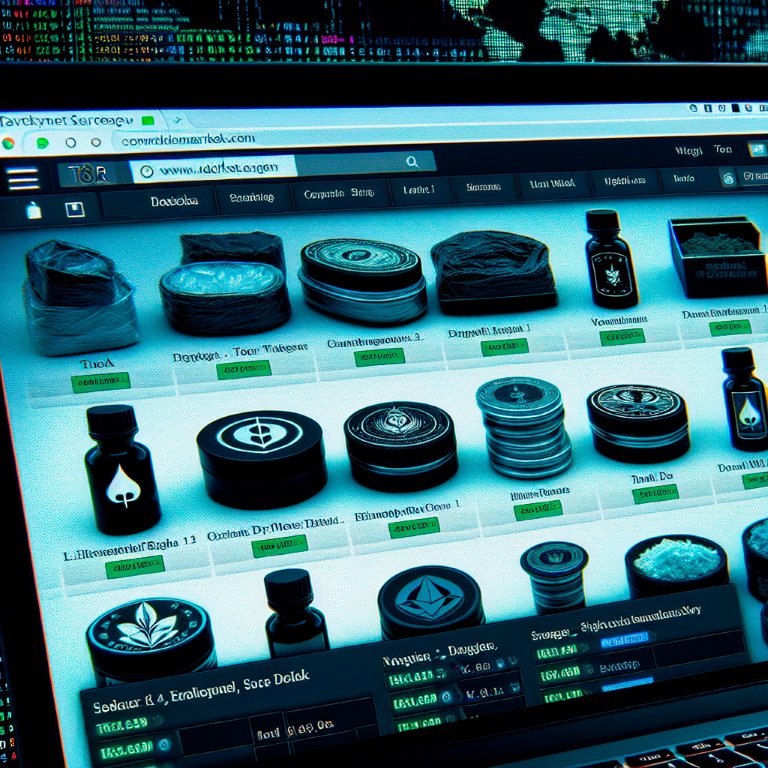
How Tech Makes Darknet Trade Safe and Easy
Technology provides easy access to darknet markets while establishing a framework for secure shopping and vendor verification. The primary gateway is the Tor network, which anonymizes user traffic by routing it through multiple encrypted layers. This allows buyers to connect to marketplaces without revealing their location or identity, creating a foundational layer of privacy for all transactions.
Once access is established, technology enables secure shopping through cryptocurrency and encryption. Transactions use Bitcoin or Monero, which offer pseudonymous payment channels. Communication and order details are protected with PGP encryption, ensuring that only the intended vendor can read sensitive information like shipping addresses. This combination of financial and communication security makes the shopping process discreet and resilient.
Verified vendors are a direct product of technological systems. Markets implement vendor bonds and reputation algorithms.
A vendor must often pay a bond to list items, which acts as a financial commitment to honest conduct. The reputation system is built on automated feedback aggregation, where every transaction contributes to a public trust score. This creates a transparent environment where buyers can reliably assess a seller's history based on data from past sales.
The overall ecosystem is maintained by escrow services and multisignature transactions. Escrow holds the buyer's cryptocurrency until the product is received and confirmed. For enhanced security, multisig technology requires two out of three cryptographic keys (belonging to buyer, vendor, and market) to release funds, removing the need for a central authority to hold the money. These technological features work together to facilitate access, enforce security protocols, and build a trustworthy commercial space based on verifiable data and cryptographic proof.